
How to Make Heels Feel Better for Longer
Fit & Comfort · 5 min read · July 07, 2026
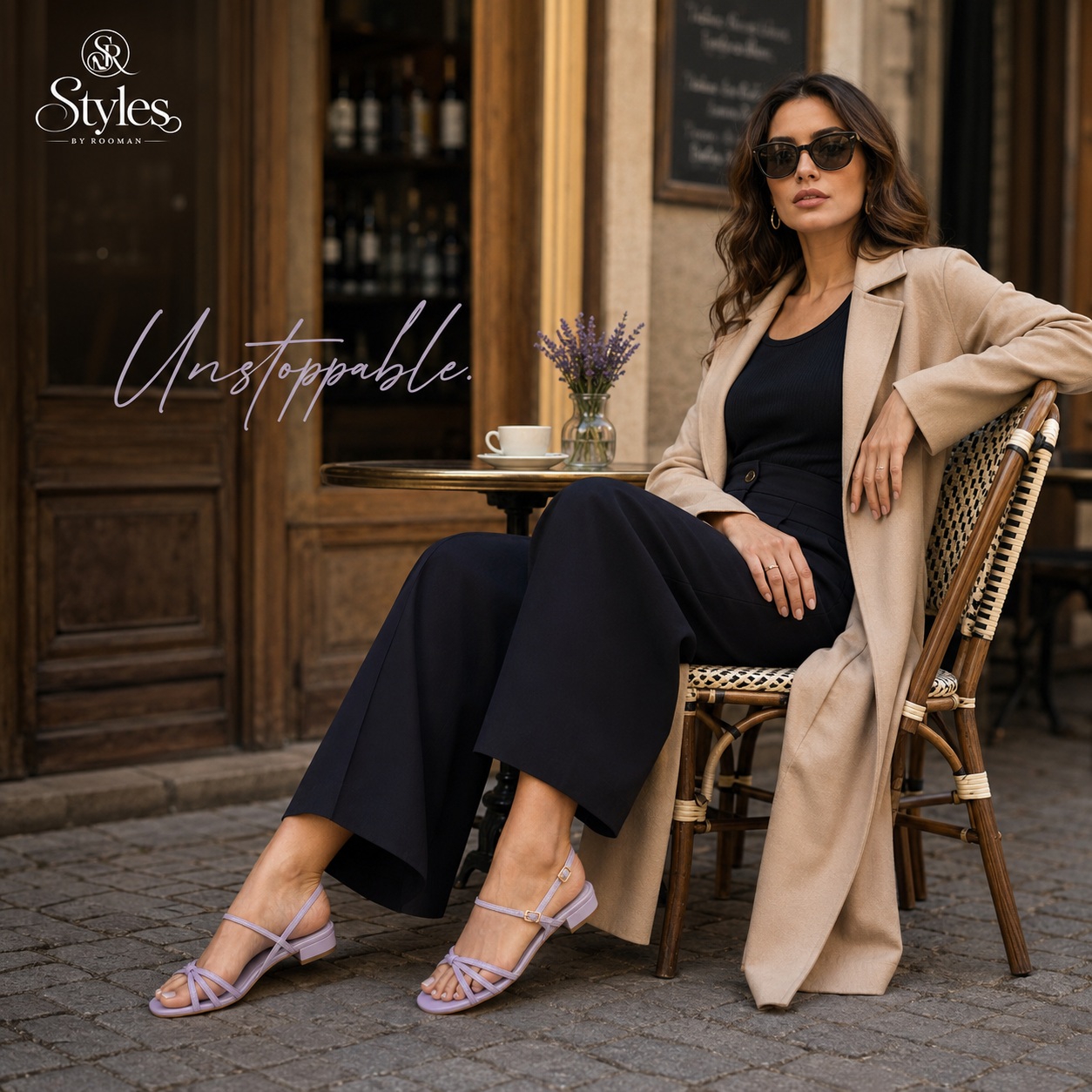
No styling trick can make the wrong size comfortable, but a well-fitting heel can often feel much better with a few sensible choices. The key is to reduce movement inside the shoe and avoid adding pressure where your foot already feels tight.
Get the size right before anything else
Your heel should not constantly lift out of the shoe, and your toes should not feel compressed at the front. If a style is between sizes for you, the shape of the toe box and upper may matter more than the number printed on the sole.
Wear them before the event
Short indoor wears help you identify rubbing at the back, pressure across the toes or a strap that needs adjustment. Discovering that at home is far easier than discovering it two hours into an event.
Give your feet breaks
If the setting allows, sit periodically instead of waiting until your feet are already sore. For very long events, carrying a flat backup pair for the drive home is practical, not unglamorous.
Do not force a tight style
Thick insoles, pads and grips take up space. They can help in a shoe that is slightly loose, but adding them to an already snug pair may make pressure worse.
Rooman note: Comfort is highly individual. A heel your friend can wear all night may not suit your foot shape — fit matters more than reputation.
Frequently asked questions
Do gel pads make every heel more comfortable?
No. Pads are most helpful when they solve a specific fit issue such as slight looseness or pressure under the forefoot. In a shoe that is already tight, extra padding can reduce space and make discomfort worse.
Is heel slip always a sign I need a smaller size?
Not necessarily. Heel slip can come from the shape of the shoe, a shallow heel cup or an upper that does not hold the foot. A smaller size may create toe pressure, so judge the whole fit rather than fixing one symptom in isolation.